Introduction
Planning a villa in Bali sounds exciting until the real decisions start showing up. Land, permits, design, budget, timelines, materials, and local processes all need attention at the same time. That is where a lot of projects slow down. What looked simple on paper turns into delays, confusion, and budget surprises. Good planning is what keeps that from happening.
When people talk about Bali construction, they usually think about the build itself. But the truth is that the build starts much earlier. It starts with the way you frame the project, the way you set expectations, and the kind of team you choose to guide it. A well planned project feels calmer because the hard parts are handled before they become problems.
Start With the Real Purpose of the Villa
Before anything else, you need to be clear about what the villa is for. Is it a personal home, a rental property, or a long term investment? That answer changes almost everything. The location, layout, room count, finish level, and even the materials all depend on how the property will be used.
This is where many people rush. They start with style inspiration before they understand the purpose. That often leads to a build that looks good but does not work well for the actual goal. In Bali construction, purpose matters because land and design choices are expensive to correct later.
If the villa is meant to earn income, then rental flow, guest privacy, and maintenance costs need to be part of the conversation from day one. If it is a private retreat, the focus may be more on comfort, layout, and lifestyle. A good project starts with honesty about what success looks like.
Choose the Location With the End Use in Mind
In Bali, location is never just about scenery. It affects construction style, rental potential, access, and the kind of lifestyle the villa will support. A project in Canggu may need a different approach from one in Uluwatu or Ubud. The same is true for quieter areas like Seseh or Tabanan.
A strong Bali construction plan looks at the land and asks the right questions. What is the access like? How does the area perform for guests or owners? What kind of building style fits the surroundings without feeling forced? Those answers shape the whole project.
Too many people fall in love with a view and forget the practical side. Then they discover that access is difficult, the land shape is awkward, or the layout needs compromise. Good planning avoids that. It keeps the emotional decision and the technical decision in balance.
Build Around a Budget That Actually Makes Sense
Budget problems usually do not start because people spend too much. They start because people did not define the budget clearly enough at the beginning. A proper budget should not just be a rough guess. It should reflect the real scope of the project, the finish level, the permit work, and the buffer for changes.
In Bali construction, a detailed budget matters because the project can change quickly if the scope is vague. Kingswood Bali’s process makes this easier by creating a clear Bill of Quantities, project schedule, and explicit cost breakdown once the design is finalized. That kind of structure matters because you know where the money is going instead of guessing.
A lot of headaches come from surprise costs. When the project is planned properly, those surprises shrink. You still need flexibility, but you do not need chaos.
Work With Design Early, Not Late
Design is not decoration. It is the blueprint for how the whole villa will function. A strong design phase helps you avoid awkward layouts, wasted space, and expensive corrections during construction. That is especially important in Bali, where many owners want a specific style but do not always think through how that style works in the local build context.
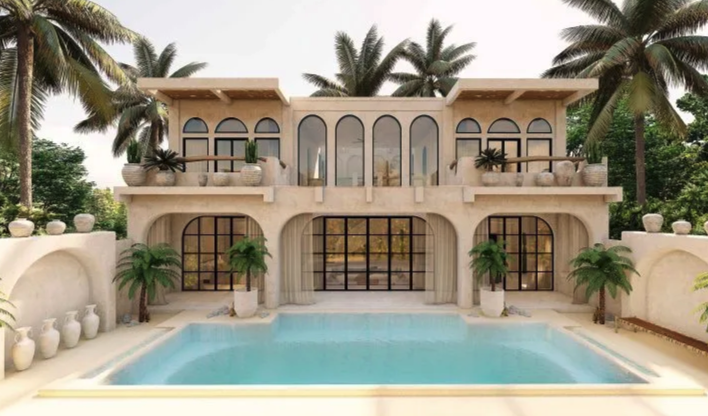
A good Bali construction process includes design from the start. Kingswood Bali handles this in-house with architects and designers who create 2D drawings, 3D visuals, mood boards, and detailed presentations. That matters because you see the project before it becomes expensive to change.
This phase is where you decide if the villa will feel tropical modern, Mediterranean, Japanese-inspired, boho-luxe, or something else entirely. But more importantly, it is where you decide if the spaces actually make sense to live in, rent out, and maintain.
Understand the Permit Side Before You Start Building
Permits are not exciting, but they are one of the biggest reasons projects get stuck. If the legal and administrative side is not handled properly, the whole timeline can slip. That creates stress, cost, and avoidable delay.
A smart Bali construction plan includes permit work early. Kingswood Bali’s process includes support for local permits such as IMB and SLF so the project meets Balinese standards. That kind of support matters because it takes one major burden off your shoulders.
The problem with many projects is that people treat permits like a side issue. They are not. They are a core part of the build. If you ignore them, you often pay for it later.
Keep Communication Simple and Frequent
A smooth project usually comes down to communication. Not fancy communication. Just clear, regular updates that tell you what is happening, what has been finished, and what still needs attention. Weekly photos, reports, and site updates go a long way.
That is one of the reasons people look for a reliable Bali construction partner instead of trying to manage everything alone. If the team keeps you informed, you spend less time worrying and more time making good decisions.
Good communication also makes change easier. If something needs to be adjusted, it is better to catch it early than after the work has moved too far ahead.
Why the Right Team Prevents Most Headaches
The biggest headaches in villa projects usually come from a lack of structure, not from the build itself. A team that understands both local practice and international expectations can save you from a lot of unnecessary stress. That is where experience matters.
Kingswood Bali brings together local insight and international standards, which is useful in a market where many owners are building from overseas or from a distance. That combination helps keep the project grounded without making it rigid.
Conclusion
A Bali villa project becomes much easier when the planning is done properly from the beginning. The purpose, location, budget, design, permits, and communication all need to work together. That is the difference between a project that feels controlled and one that keeps throwing problems at you. Good Bali construction is not just about building well. It is about planning well enough that the build can actually stay on track.